


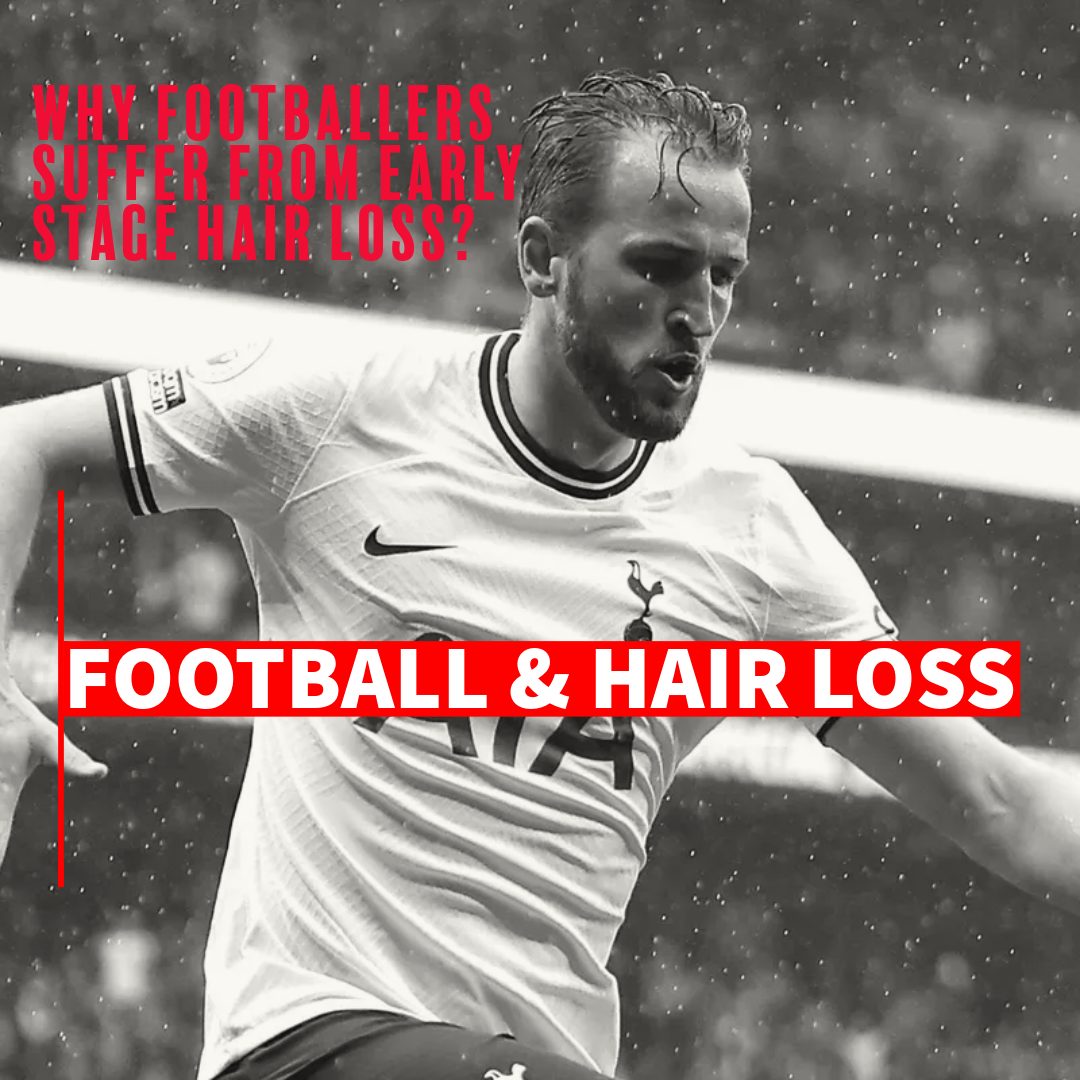
Footballers & Hair loss
Hair Loss in Footballers
As sports enthusiasts increasingly notice the impact of hair loss, many are turning to innovative solutions like Platelet-Rich Plasma (PRP) therapy. PRP has shown promising results in stimulating hair regrowth, making it a viable option for athletes concerned about their appearance on and off the field. This non-surgical treatment utilizes the body’s own healing properties, appealing to those looking to enhance their performance without invasive procedures.
Football players, often under the scrutiny of fans and media, may feel pressured to maintain a youthful appearance. The competitive nature of the sport can add to the stress that contributes to hair loss among players. PRP therapy not only addresses this concern but also aligns with the players’ commitment to health and performance. In addition, many footballers have hair transplant and use PRP to reinforce their grafted hair follicles and to stimulate their dormant hair follicles.
In recent years, the adoption of PRP has gained momentum within the sports community, including football. As players explore effective ways to combat hair loss, the benefits of this treatment are sparking interest across the league. With a focus on recovery and rejuvenation, PRP may just be the game changer many athletes are looking for.
Football and Hair Loss
Football players often face unique challenges related to hair loss, influenced by various factors. Stress, lifestyle choices, and the competitive nature of the sport can contribute significantly to this concern.
Investigating the Association
Research indicates a correlation between intense physical activity and hair loss in athletes, including football players. The body’s response to rigorous training and competition can lead to temporary conditions like telogen effluvium, where hair follicles enter a resting phase due to physical stress.
In addition to physical exertion, hormonal fluctuations may also impact hair health. Elevated levels of androgen hormones, frequently observed in male athletes, have been linked to increased hair thinning or loss. Understanding these connections is crucial for addressing hair loss effectively in those involved in football.
Stress, Lifestyle, and Hair Loss in Athletes
The lifestyle of a football player can exacerbate hair loss. High-pressure environments and constant striving for peak performance can result in chronic stress. Stress is a well-documented factor in hair thinning, as it can disrupt the hair growth cycle. Moreover, dietary habits often shift under the demands of professional training. Nutritional deficiencies, particularly in vitamins and minerals essential for hair health, may occur. Key nutrients like iron, biotin, and zinc play critical roles in promoting hair growth. Maintaining a balanced diet and managing stress levels are vital. Players may benefit from nutritional counseling and stress management techniques to mitigate hair loss risk, ensuring both physical performance and hair health are prioritized.
Advancements and Future Directions
Recent developments in PRP (Platelet-Rich Plasma) therapy have shown promise for addressing hair loss, particularly within football communities. Innovations in treatment methods and ongoing research are pushing the boundaries of what PRP can achieve.
Innovations in PRP Treatments
Emerging techniques in PRP therapy focus on enhancing the effectiveness of growth factors. For instance:
- Concentration Methods: Improved centrifuge technology allows for better separation of platelets, yielding higher concentrations in PRP.
- Combination Therapies: Some clinicians are exploring combinations of PRP with other modalities, such as stem cell therapy or microneedling, to amplify results.
- Standardization of Procedures: Protocols are being established to standardize PRP preparation and application, which can lead to more consistent outcomes across treatments.
These innovations are designed to improve hair restoration results while minimizing risks and side effects.
Ongoing Research and Potential Breakthroughs
Research into PRP applications is continuously evolving. Key areas of focus include:
- Clinical Trials: Numerous studies are investigating the long-term effects of PRP on hair regrowth in various demographics, including athletes.
- Biomarker Discoveries: Identifying specific biomarkers that predict response to PRP could personalize treatment plans effectively.
- Expanded Indications: Researchers are exploring the benefits of PRP for other conditions affecting hair health, potentially broadening its use beyond hair loss.
The commitment to ongoing research aims to validate and enhance PRP’s role in hair restoration, particularly for those in physically demanding sports.
Understanding PRP Therapy
PRP therapy, or Platelet-Rich Plasma therapy, has gained attention for its potential in treating hair loss. This section covers its historical development and the biological mechanisms that underpin its effectiveness.
History and Development of PRP Treatments
Platelet-Rich Plasma therapy has roots in surgical practices dating back to the 1970s. Initially used in orthopedic surgery to accelerate healing, it gained traction in various medical fields over the decades. In the 1990s, its application extended to cosmetic procedures and hair restoration.
Research during the early 2000s demonstrated PRP’s potential in stimulating hair follicles, leading to its adoption in trichology. As more studies emerged, protocols for preparation and administration were refined, enhancing its safety and efficacy. Today, PRP is widely used by dermatologists and hair restoration specialists, particularly in sports medicine and aesthetic treatments.
Biological Basis of Platelet-Rich Plasma
PRP is derived from the patient’s own blood, which minimizes the risk of allergic reactions or rejection. The process involves collecting blood, centrifuging it to separate components, and extracting the platelet-rich layer.
Platelets play a crucial role in healing and regeneration. They contain growth factors essential for cell proliferation and tissue repair. Key growth factors in PRP include:
- PDGF (Platelet-Derived Growth Factor)
- VEGF (Vascular Endothelial Growth Factor)
- EGF (Epidermal Growth Factor)
These factors stimulate hair follicles, increase blood supply, and promote collagen production, which can lead to improved hair thickness and density. This biological basis is why PRP therapy is considered a promising treatment for hair loss, particularly for individuals seeking non-surgical options.
PRP Therapy for Hair Loss
Platelet-Rich Plasma (PRP) therapy is gaining attention as a potential solution for hair loss. This treatment leverages the body’s own healing mechanisms to stimulate hair regrowth. Understanding how it works, its effectiveness, and how it compares to other treatments is essential for those considering it.
Mechanism of Action in Hair Regrowth
PRP therapy involves drawing a small amount of the patient’s blood and processing it to concentrate the platelets. These platelets contain growth factors that promote tissue repair and regeneration.
When injected into the scalp, PRP promotes hair follicle activity and increases blood supply to the area. This revitalizes dormant hair follicles, potentially leading to thicker and healthier hair.
Studies suggest that PRP encourages collagen production and enhances the repair mechanisms of the scalp, thus creating a more favorable environment for hair growth.
Effectiveness and Research Findings
Numerous studies have investigated PRP therapy’s impact on hair loss. Clinical trials indicate that patients often experience a significant increase in hair density after undergoing multiple treatment sessions.
The response may vary; some individuals notice results within a few months, while others may take longer. Side effects are generally mild, including temporary soreness or redness at the injection site.
A systematic review of studies concluded that PRP is an effective treatment for androgenetic alopecia, the most common type of hair loss.
Comparing PRP to Other Hair Loss Treatments
When comparing PRP therapy to other hair loss treatments, several factors come into consideration, including efficacy, invasiveness, and side effects.
Minoxidil, for instance, is a topical solution that regrows hair but requires continuous use for maintained results. Finasteride, an oral medication, can have side effects such as hormonal changes.
PRP, being autologous, poses minimal risk of allergic reactions, making it a safer option. Additionally, while results may take time, many patients report satisfying outcomes. In contrast to surgical options like hair transplants, PRP is non-invasive, requiring no downtime.
Procedure and Application
Understanding the procedure of PRP and its application for hair loss can help individuals make informed decisions. This involves both the preparation of PRP and the techniques used for injections, followed by essential care post-procedure.
Preparation and Processing of PRP
The PRP procedure begins with drawing a small amount of blood from the patient, typically 10-60 milliliters. This blood is then placed in a centrifuge, which spins at high speeds to separate its components.
The centrifugation process typically lasts about 10-15 minutes. The result is divided into three layers:
- Red blood cells (bottom layer)
- Platelet-rich plasma (middle layer)
- Platelet-poor plasma (top layer)
The middle layer, rich in growth factors, is the PRP that doctors use for hair restoration. These growth factors are crucial for stimulating hair follicles and promoting new growth.
PRP Injection Techniques for Scalp
For PRP injections into the scalp, multiple techniques may be employed. The most common approach is the micro-needling technique, which involves using a needle to create micro-injuries in the scalp. This method enhances absorption of PRP. Alternatively, direct injection can be used, where a syringe filled with PRP is injected into targeted areas of the scalp. The injections are generally spaced about 1 cm apart. Professionals typically administer local anesthesia to minimize discomfort. The entire process can take around 30-60 minutes, depending on the area being treated.
Post-Procedure Care and Recommendations
Post-procedure care is vital for optimizing results. Patients are advised to avoid washing their hair for at least 24 hours after the treatment. This allows PRP time to settle in. Additionally, patients should refrain from using hair products for a few days. Sun exposure should be minimized, and hats are often recommended. Hydration is also crucial. Patients are encouraged to drink plenty of water to support healing. Regular follow-up appointments might be necessary to monitor progress and decide on further treatments or maintenance sessions.
Safety and Side Effects
Like any medical procedure, PRP therapy for hair loss has associated safety concerns and potential side effects. Being informed about these aspects is crucial for patients considering this treatment.
Common Side Effects and Management
PRP treatment may result in several common side effects, which usually resolve within a few days. These include:
- Pain at Injection Site: Mild discomfort can occur where the injections are administered. Managing this often involves applying ice or using over-the-counter pain relievers.
- Swelling: Some patients may experience swelling in the area treated. This typically subsides on its own.
- Redness: Temporary redness around injection points is common. This should diminish shortly after the procedure.
- Headache: A few individuals might develop temporary headaches following treatment. Adequate hydration and rest can help alleviate this symptom.
Awareness and proactive management can help mitigate these effects, allowing for a smoother recovery.
Rare Complications and Risks
While vey rare, some complications can occur with PRP therapy. Notable risks include:
- Infection: Any injection carries a risk of infection. However, we make sure that the procedure is done in a sterile environment helps reduce this risk significantly.
- Allergic Reaction: Although unlikely, some individuals may have an allergic reaction to the PRP components. Monitoring for symptoms post-treatment is advisable.
- Tissue Damage: In rare cases, improper injection techniques can lead to damage in adjacent tissues. Selecting a skilled healthcare provider minimizes this risk.
- Unsatisfactory Results: Some patients may not achieve the desired outcomes. Discussing realistic expectations with a clinician is essential before proceeding.
Being informed about these complications can help patients make safer decisions regarding their hair loss treatment options.
Patient Considerations
When considering PRP treatment for hair loss in football players, specific criteria must be evaluated. Understanding the expectations and realistic outcomes is essential for informed decision-making.
Criteria for Suitable Candidates
Not every individual is an ideal candidate for PRP treatment. Key criteria include:
- Age: Most candidates are between 25 and 60 years old.
- Extent of Hair Loss: Candidates with early to moderate hair loss usually respond better.
- Health Status: Individuals should be in good overall health with no bleeding disorders.
- Medical History: A history of scalp infections or skin diseases may disqualify a candidate.
Assessment by a healthcare professional is vital to determine suitability. A thorough consultation will help identify these factors.
Expectations and Realistic Outcomes
Patients must have clear and realistic expectations regarding PRP treatment. Key outcomes include:
- Hair Growth: Many patients may see new hair growth within 3 to 6 months.
- Session Requirements: Typically, multiple sessions are needed for optimal results, often spaced 4 to 6 weeks apart.
- Longevity of Results: Results can last from 6 to 12 months, necessitating maintenance treatments.
Patients should also be aware that results can vary widely. Factors such as genetics and the severity of hair loss play significant roles in the effectiveness of PRP therapy.
PRP at NAR LONDON Clinic
At Nar London, we specialise on autologous treatments such as PRP. We have several clients that are top footballers or athletes. We respect the necessary discretion and privacy for all our clients and in particular high-profile footballers! Should you wish to book PRP Hair Loss treatment for men or women, please click here or alternatively you can book a consultation by clicking here.
Nar London is located in World famous Harley Street, London UK.